
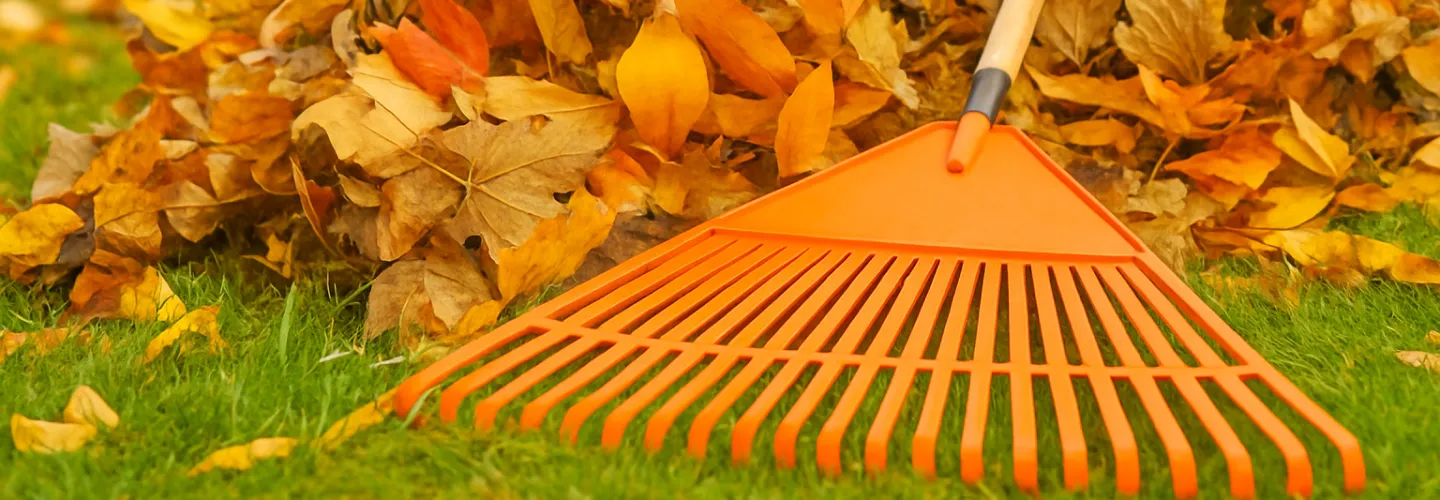
Coral Lakes Leaf Removal Services
Choose our Leaf Removal service for prompt, thorough, and eco-friendly solutions that keep your yard pristine and hassle-free all season long.
Get a Free QuoteOur Coral Lakes Landscaping & Yard Care Services
When to Schedule Leaf Removal in Coral Lakes, Florida – Seasonal Guide
In Coral Lakes, Florida, the timing of leaf removal is closely tied to our unique subtropical climate and the specific needs of local landscapes. Unlike northern regions with dramatic autumn leaf drops, Coral Lakes experiences a more gradual shedding of leaves, especially from live oaks and ornamental trees common in neighborhoods like The Isles and Lakeview Estates. The optimal periods for leaf removal are typically late fall through early spring, when humidity levels drop and the risk of heavy summer rains is minimal. This timing helps prevent leaf buildup that can harbor pests or promote fungal growth, particularly in shaded yards or areas with dense tree canopies.
Local environmental factors play a significant role in determining the best schedule for leaf removal. For example, the sandy soils around Coral Lakes Golf Club drain quickly, but can become compacted if leaves are left to decompose. Additionally, municipal guidelines in the Coral Lakes community may restrict curbside leaf disposal to certain weeks, making it important to plan ahead. Homeowners should also consider the microclimates created by shade from mature palms and oaks, as well as the potential for late-season frosts that can trigger additional leaf drop.
Benefits of Leaf Removal in Coral Lakes

Enhanced Curb Appeal
Healthier Lawns and Gardens
Prevention of Pest Infestations
Improved Drainage and Safety
Time-Saving Professional Service
Eco-Friendly Leaf Disposal
Coral Lakes Leaf Removal Types

Seasonal Leaf Cleanup
-
Curbside Leaf Collection
-
On-Demand Leaf Removal
-
Full Property Leaf Clearing
-
Mulching Leaf Service
-
Gutter Leaf Removal
-
Eco-Friendly Leaf Disposal
Our Leaf Removal Process
Site Evaluation
Leaf Gathering
Collection and Removal
Final Inspection
Why Choose Coral Lakes Landscape Services

-
Coral Lakes Homeowners Trust Us
-
Expert Lawn Maintenance
-
Reliable Irrigation Solutions
-
Comprehensive Tree Care
-
Prompt Response Times
-
Competitive Pricing
-
Satisfaction Guarantee
Coral Lakes' Sandy Entisol Soils and Leaf Debris Management Challenges
Coral Lakes is situated within Lee County, Florida, in USDA Hardiness Zone 10a, where the predominantly sandy Entisol soils present distinct considerations for leaf removal operations. These soils, characterized by rapid drainage, low organic matter content, and an acidic pH typically ranging from 5.5 to 6.5, allow fallen leaf material to decompose slowly due to limited microbial activity in nutrient-poor substrates. When leaves accumulate on sandy ground, they can form compacted mats that impede water infiltration and smother St. Augustinegrass (Stenotaphrum secundatum) and Bahiagrass (Paspalum notatum) turf common throughout the community. Residents should note that leaf litter left undisturbed for more than 7–10 days during the wet season (June through October) can promote fungal conditions such as gray leaf spot and large patch disease. Property owners can research their specific soil series through the USDA Web Soil Survey and consult UF/IFAS Extension for turf management guidance tailored to southwest Florida's sandy flatwoods soils.
Coordinating Leaf Debris Disposal Through Lee County Public Works
Because Coral Lakes is an unincorporated community within Lee County, yard waste collection and disposal are administered at the county level. Lee County provides curbside yard waste pickup on a scheduled weekly basis; residents must adhere to the following preparation requirements:
- Containers: Use 32-gallon reusable bins or biodegradable paper bags (no plastic bags permitted)
- Loose debris: Bundle branches under 4 feet in length and 4 inches in diameter; tie with natural twine
- Placement: Set materials curbside by 6:00 AM on scheduled collection day, no earlier than 24 hours before pickup
- Prohibited items: Plastic bags, treated lumber, soil, rocks, and household garbage mixed with yard waste
Residents may also transport leaf debris directly to the Lee County Resource Recovery Facility. For specific collection schedules and drop-off hours, coordinate with Lee County Public Works.
Lee County Public Works
1500 Monroe Street, Fort Myers, FL 33901
Phone: (239) 533-2111
Official Website: Lee County Public Works
Protecting Coral Lakes' Stormwater System and Adjacent Water Bodies During Leaf Removal
Coral Lakes features an extensive network of community lakes and stormwater retention ponds that are integral to Lee County's MS4 (Municipal Separate Storm Sewer System) permit compliance under the Clean Water Act. Leaf debris that enters storm drains or retention ponds contributes excess nitrogen and phosphorus, accelerating algal blooms and degrading water quality in downstream waterways connected to the Caloosahatchee River estuary. The Florida Environmental Protection Act and the Florida Department of Environmental Protection (FDEP) enforce nutrient loading standards that apply to all discharges within the South Florida Water Management District's jurisdiction. Key compliance measures during leaf removal include:
- Maintain a minimum 25-foot no-disturbance buffer from lake edges and retention pond banks
- Never blow or rake leaf debris into storm drains, swales, or canal inlets
- Use tarps or containment barriers when staging leaf piles near waterfront lots
- Avoid leaf removal operations during active rainfall to prevent nutrient-laden runoff
Lee County Natural Resources oversees local water quality monitoring and can provide guidance on buffer zone requirements.
Lee County Natural Resources
1500 Monroe Street, Fort Myers, FL 33901
Phone: (239) 533-2111
Official Website: Lee County Natural Resources
EPA Region 4 (Southeast)
61 Forsyth Street SW, Atlanta, GA 30303
Phone: (404) 562-9900
Official Website: EPA Region 4
Optimal Leaf Removal Timing for Coral Lakes' Subtropical Growing Seasons
Southwest Florida's subtropical climate produces leaf drop patterns that differ significantly from temperate regions. Rather than a single autumn leaf fall, many species common in Coral Lakes—including live oak (Quercus virginiana), mahogany (Swietenia mahagoni), and royal poinciana (Delonax regia)—shed leaves primarily between February and April as new growth emerges. The National Weather Service Miami office monitors regional weather patterns that influence scheduling. Recommended timing considerations include:
- Primary leaf drop season: February through April, when deciduous and semi-deciduous species shed foliage
- Secondary accumulation: October through November, following tropical storm activity and wind events
- Wet season avoidance: Minimize ground disturbance during peak rainfall months (June through September) when saturated sandy soils are vulnerable to compaction
- Temperature thresholds: Schedule removal operations during morning hours (before 10:00 AM) when temperatures remain below 85°F to reduce heat stress on workers and turf
- Hurricane debris: Following named storms, coordinate with Lee County's emergency debris management protocols before resuming routine leaf removal
Residents within the Coral Lakes Community Association should also verify any seasonal landscape maintenance schedules established by the HOA.
Coral Lakes Community Association
21527 Belhaven Way, Estero, FL 33928
Phone: (239) 390-2788
Official Website: Coral Lakes Community Association
Equipment Safety Standards and Lee County Noise Regulations for Leaf Removal Operations
Commercial and residential leaf removal equipment operation in Lee County is subject to the county's noise control ordinance. Permitted equipment operation hours are typically:
- Monday through Friday: 7:00 AM – 7:00 PM
- Saturday: 8:00 AM – 6:00 PM
- Sunday and holidays: Restricted; verify with Lee County Zoning
Gas-powered leaf blowers commonly produce 65–75 decibels at 50 feet, and operators should ensure equipment does not exceed 85 decibels at property lines. All personnel conducting leaf removal must use appropriate personal protective equipment (PPE):
- Eye protection: ANSI Z87.1 rated safety glasses to guard against airborne debris
- Hearing protection: Earmuffs or plugs rated for 85+ dB when operating blowers or vacuums
- Respiratory protection: N95 dust masks during dry-season operations when mold spores and particulate matter are elevated
- Footwear: Closed-toe, non-slip boots suitable for wet or uneven terrain near lake banks
Lee County Zoning can clarify specific noise thresholds and restricted hours applicable to residential communities.
Lee County Zoning
1500 Monroe Street, Fort Myers, FL 33901
Phone: (239) 533-2111
Official Website: Lee County Zoning
What Streets and Subdivisions Do We Serve Throughout Coral Lakes, FL?
- Belhaven Way: The primary residential corridor running through Coral Lakes, where mature live oaks and royal palms generate significant leaf litter along curbed roadways and adjacent to community lake frontage, requiring frequent seasonal clearing.
- Terracina Drive: Homes along Terracina Drive near the community's central lake feature waterfront lots with 25-foot buffer zone considerations and sandy soils prone to leaf mat accumulation during the dry season.
- Cascada Court area: This cul-de-sac section contains densely planted ornamental landscaping with mahogany and gumbo-limbo trees that produce heavy leaf drop between February and April, often requiring targeted debris staging.
- Montecito Way: Properties along Montecito Way border stormwater retention swales where leaf debris must be carefully managed to prevent nutrient loading into the community's interconnected pond system.
- Savona Court subdivision: A smaller enclave near the community's southern boundary with limited equipment access due to narrow street widths, necessitating hand-raking and bagging rather than large-scale blower operations.