
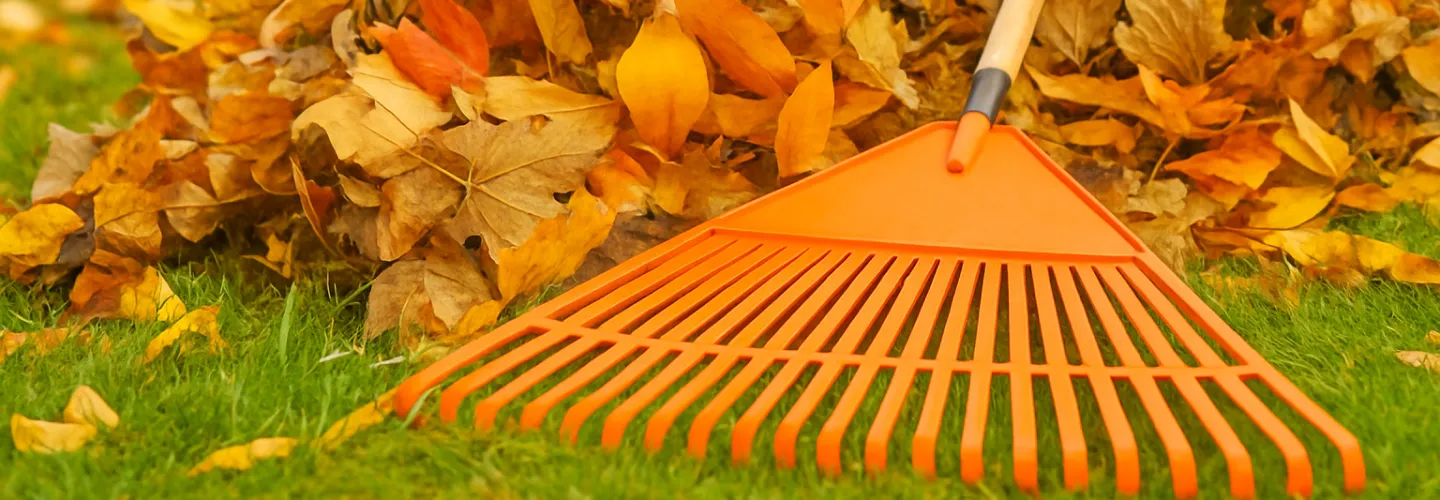
Coral Lakes Green Waste Disposal Services
Choose our Green Waste Disposal for reliable, environmentally responsible service that keeps your property beautiful and our community green—experience hassle-free pickups, expert care, and a commitment to sustainability.
Get a Free QuoteOur Coral Lakes Landscaping & Yard Care Services
When to Schedule Green Waste Disposal in Coral Lakes, Florida – Seasonal Guide
In Coral Lakes, Florida, the timing of green waste disposal is closely tied to our unique subtropical climate and the rhythms of local landscaping needs. The optimal periods for scheduling green waste removal are typically late winter through early spring and again in late summer, just before the peak of hurricane season. These windows align with the end of the dormant period for many trees and shrubs, as well as the time when rapid growth and leaf drop are most pronounced. Neighborhoods near Lake Coral and the Coral Lakes Community Center often experience increased yard debris after seasonal storms or heavy rainfall, making timely disposal essential for maintaining curb appeal and preventing pest issues.
Local environmental factors such as high humidity, sandy soils, and the absence of hard frost mean that plant material decomposes quickly, but also that green waste can accumulate rapidly during the rainy season. Areas with dense shade, like those bordering the Coral Lakes Golf Course, may see slower decomposition and more persistent leaf litter. It's also important to consider municipal guidelines and local resources to ensure compliance with disposal regulations and to take advantage of community collection events.
Local Factors to Consider for Green Waste Disposal in Coral Lakes
- Tree and shrub density in your yard
- Proximity to water features or wetlands
- Seasonal precipitation and storm frequency
- Soil type (sandy vs. loamy)
- Shade coverage and sun exposure
- Municipal collection schedules and restrictions
- Neighborhood-specific landscaping trends
Benefits of Green Waste Disposal in Coral Lakes

Eco-Friendly Landscaping Solutions
Efficient Green Waste Removal
Promotes Healthy Plant Growth
Reduces Landfill Waste
Enhances Property Appearance
Supports Sustainable Practices
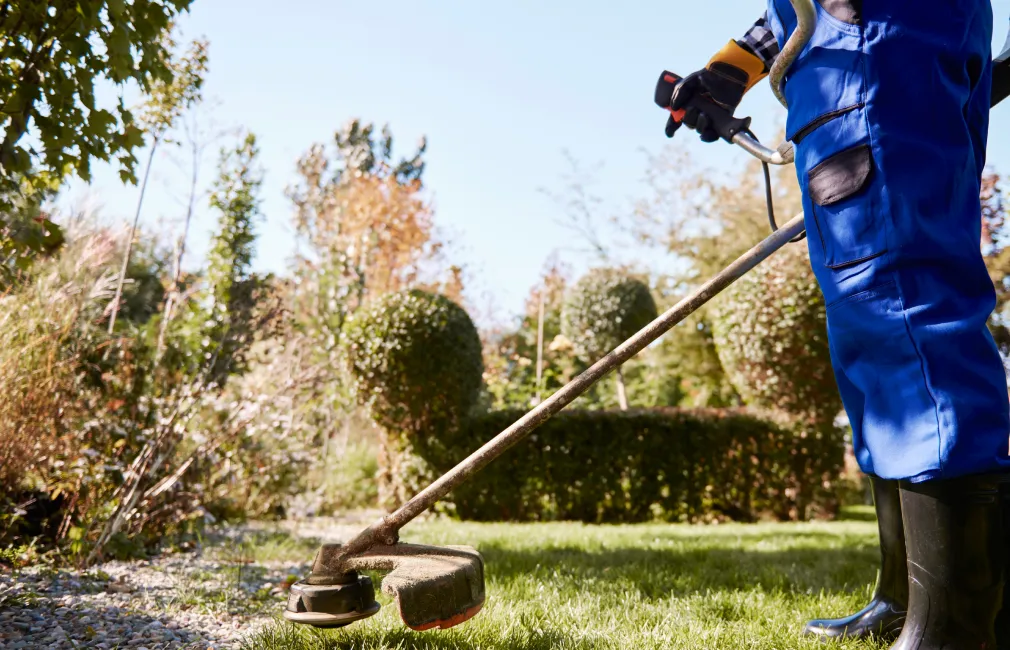
Coral Lakes Green Waste Disposal Types

Grass Clippings
-
Tree Branches
-
Shrub Trimmings
-
Leaves Collection
-
Palm Fronds
-
Garden Weeds
-
Mulch Disposal
Our Green Waste Disposal Process
Collection of Green Waste
Sorting and Separation
Transport to Disposal Facility
Eco-Friendly Processing
Why Choose Coral Lakes Landscape Services
-
Coral Lakes Homeowners Trust Us
-
Expert Lawn Maintenance
-
Reliable Irrigation Solutions
-
Comprehensive Tree Care
-
Prompt Response Times
-
Competitive Pricing
-
Satisfaction Guarantee
Coordinating Green Waste Disposal with Lee County Public Works in Coral Lakes
Green waste disposal in Coral Lakes, FL is managed through Lee County Public Works, which oversees the collection and routing of yard debris, including leaves, grass clippings, branches, and other vegetative material. Residents and property managers must adhere to established procedures for curbside collection, which typically require green waste to be separated from household trash and placed in approved containers or bundled according to county guidelines. Proper preparation of green waste helps prevent blockages in storm drains and ensures efficient municipal collection. For larger volumes or storm debris, special collection events or drop-off sites may be announced by the county. Residents should monitor official county communications for updates on collection schedules, especially during hurricane season when debris volumes can increase significantly.
Municipal Contacts:
Lee County Public Works
1500 Monroe St, Fort Myers, FL 33901
Phone: 239-533-8580
Official Website: Lee County Public Works
How Coral Lakes’s South Florida Climate and Soils Shape Green Waste Disposal
Coral Lakes is situated in South Florida’s tropical-subtropical urban coastal zone, which brings unique environmental factors to green waste management. The area experiences high humidity and intense summer heat, accelerating the decomposition of organic debris but also increasing the risk of fungal growth and odors if waste is left uncollected. Soils in Coral Lakes are predominantly sandy fill, which drain quickly but can allow nutrients and organic matter to leach into adjacent canals, lakes, and stormwater systems. The wet season, typically from June through September, brings heavy rainfall that can rapidly transport loose debris into swales and storm drains, heightening the importance of timely green waste removal. Additionally, the high water table and proximity to water bodies mean that improper disposal can contribute to nutrient loading and water quality concerns in local waterways.
Key local conditions affecting green waste disposal include:
- Rapid decomposition and odor potential due to heat and humidity
- Sandy, fill-based soils that promote leaching and runoff
- Frequent wet-season storms that can mobilize debris into drainage systems
Regulatory Requirements and Environmental Compliance for Green Waste in Coral Lakes
Green waste disposal in Coral Lakes is governed by a combination of county ordinances and state environmental regulations. Lee County requires that yard waste be kept separate from other refuse and not be placed in the street, swales, or within drainage easements, to prevent blockages and protect water quality. The Florida DEP NPDES Stormwater Program sets standards for municipal stormwater systems, emphasizing the need to keep organic debris out of storm drains and surface waters. The Clean Water Act further prohibits the discharge of pollutants, including yard waste, into navigable waters. Commercial landscapers and property managers should verify if additional permitting or documentation is required for large-scale debris removal or transport. Residents are encouraged to consult the USDA Web Soil Survey for site-specific soil and drainage information when planning landscape maintenance.
Municipal Contacts:
Lee County Water Quality
2120 Main St, Fort Myers, FL 33901
Official Website: Lee County Water Quality
Professional Methods and Timing for Green Waste Disposal in Coral Lakes’s Environment
Effective green waste disposal in Coral Lakes requires attention to both timing and technique, especially given the region’s climate and drainage context. During the wet season, it is advisable to schedule yard maintenance and debris removal before forecasted heavy rains to minimize the risk of material washing into storm drains or canals. Bundling branches and bagging leaves in biodegradable containers helps facilitate municipal pickup and reduces the likelihood of windblown debris. Professional standards recommend:
- Placing green waste curbside only on designated collection days
- Keeping debris at least several feet from storm drains, swales, and water bodies
- Avoiding overfilling containers or creating piles that obstruct sidewalks or roadways
- Never disposing of green waste in canals, lakes, or drainage ditches
For properties adjacent to water features, extra care should be taken to prevent clippings and organic matter from entering aquatic systems, as this can contribute to nutrient pollution and algal blooms. The EPA Stormwater Discharges from Municipal Sources provides further guidance on protecting local water quality during disposal activities.
What Neighborhoods Do We Serve Throughout Coral Lakes, FL?
- Coral Lakes Community This master-planned community features extensive landscaping, HOA-managed green spaces, and numerous lakes requiring careful debris management to protect water quality.
- Townhomes at Coral Lakes These attached residences often have smaller lots and shared green areas, with coordinated green waste collection and strict curbside placement rules.
- Single-Family Estates Larger lots with mature trees and private irrigation systems generate higher volumes of yard waste, especially during storm cleanup periods.
- Lakefront Residences Homes bordering lakes and canals must be vigilant about keeping green waste away from shorelines to prevent runoff and nutrient loading.
- Preserve-Adjacent Homes Properties near conservation areas or preserves face additional restrictions on debris disposal to protect sensitive habitats and drainage corridors.
- Main Entrance Boulevard This area includes landscaped medians and public right-of-way, where green waste removal is coordinated with county maintenance crews to maintain visibility and drainage.