
Coral Lakes Lawn Mowing Services
Choose us for reliable, professional lawn mowing that keeps your yard looking pristine all season long—enjoy hassle-free service, attention to detail, and a lush, healthy lawn you’ll love coming home to.
Get a Free QuoteOur Coral Lakes Landscaping & Yard Care Services
When to Schedule Lawn Mowing in Coral Lakes, Florida – Seasonal Guide
In Coral Lakes, Florida, maintaining a healthy and attractive lawn requires careful timing due to the region’s unique subtropical climate. The optimal periods for lawn mowing typically align with the area’s warm, humid summers and mild winters. Most homeowners in neighborhoods like The Isles and Coral Lakes Estates find that regular mowing is essential from late March through early November, when grass growth is most vigorous. During the cooler months, mowing frequency can be reduced, but it’s important to monitor for unexpected growth spurts following rain or warm spells.
Local environmental factors play a significant role in determining the best mowing schedule. For example, lawns near Lake Coral or shaded by mature oaks in the Parkside area may require less frequent mowing due to reduced sunlight and slower growth. Soil type, such as the sandy loam common in Coral Lakes, affects moisture retention and can influence how quickly grass recovers after each cut. Additionally, homeowners should be aware of municipal guidelines and seasonal drought advisories, which are often updated on the town’s official website.
Local Factors to Consider for Lawn Mowing in Coral Lakes
- Tree density and shade coverage (e.g., properties near Coral Lakes Park)
- Soil type and drainage, especially in low-lying areas
- Seasonal precipitation patterns and drought risk
- Proximity to water features like lakes or canals
- Municipal restrictions or recommended mowing heights
- Terrain variations, such as sloped yards or uneven ground
Benefits of Lawn Mowing in Coral Lakes
Professional Lawn Care Expertise
Consistent and Reliable Scheduling
Enhanced Curb Appeal
Time and Effort Savings
Healthier, Greener Lawns
Eco-Friendly Landscaping Practices
Coral Lakes Lawn Mowing Types

Standard Lawn Mowing
-
Mulching Mower Service
-
Bagging and Clipping Removal
-
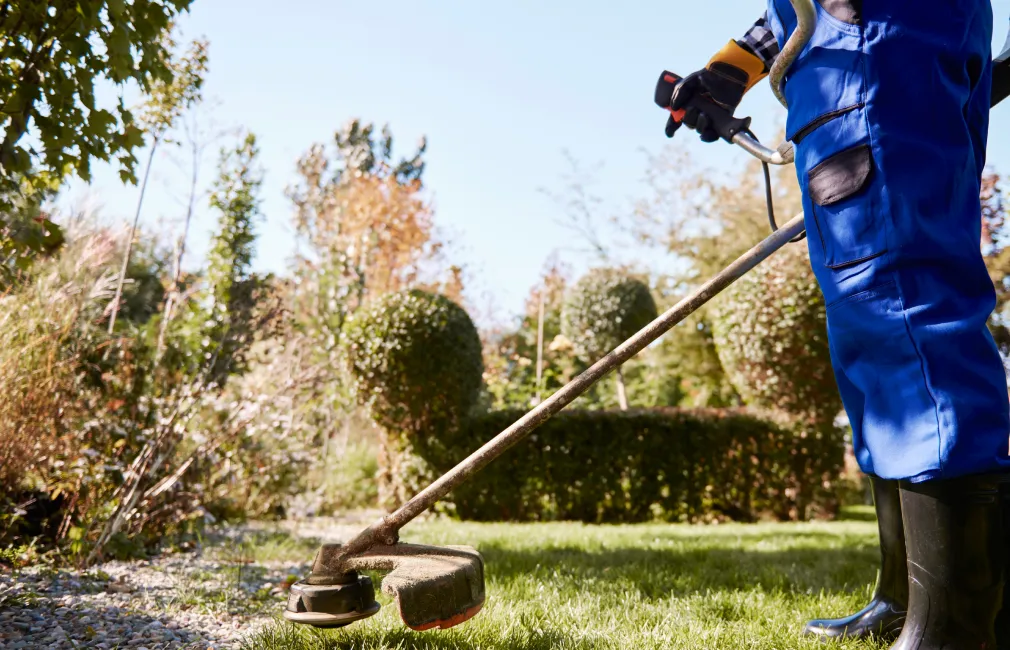
Edging and Trimming
-
Seasonal Lawn Scalping
-
Commercial Property Mowing
-
Eco-Friendly Electric Mowing
Our Lawn Mowing Process
Site Evaluation
Equipment Preparation
Mowing Execution
Edging and Trimming
Cleanup
Why Choose Coral Lakes Landscape Services
-
Coral Lakes Homeowners Trust Us
-
Expert Lawn Maintenance
-
Reliable Irrigation Solutions
-
Comprehensive Tree Care
-
Prompt Response Times
-
Competitive Pricing
-
Satisfaction Guarantee
Coral Lakes' Sandy Entisol Soils and Optimal Mowing Height for St. Augustinegrass
Coral Lakes is situated within Lee County on Florida's southwestern coastal plain, where the predominant soils are sandy Entisols—specifically Immokalee fine sand and Myakka fine sand series—characterized by rapid drainage, low organic matter content, and acidic pH ranging from 5.0 to 6.5. These excessively drained soils lose moisture quickly, making mowing height a critical factor in turf health. St. Augustinegrass (Stenotaphrum secundatum), the dominant warm-season turfgrass in USDA Hardiness Zone 10a, should be maintained at 3.5 to 4.0 inches to promote deeper root development and shade the soil surface, reducing evaporation. Cutting below 3.0 inches stresses the turf and encourages weed invasion, particularly from dollarweed (Hydrocotyle spp.) and crabgrass (Digitaria spp.). Mower blades should be sharpened every 20–25 operating hours to ensure clean cuts that minimize disease entry points. Residents can verify their specific soil series through the USDA Web Soil Survey and consult UF/IFAS Extension for turf management guidance tailored to Lee County conditions.
Protecting Coral Lakes' Stormwater System and Lake Buffers During Mowing Operations
Coral Lakes features an interconnected system of freshwater lakes and stormwater retention ponds that drain into the broader Estero Bay watershed. Under the Clean Water Act and Lee County's MS4 stormwater permit, grass clippings, fertilizer granules, and sediment must not enter storm drains or surface water bodies. Mowing operators should observe the following stormwater protection practices:
- Direct discharge chutes away from lakes, canals, and storm inlets at all times
- Maintain a minimum 25-foot no-mow buffer along lake shorelines where littoral plantings are established
- Blow or sweep clippings off sidewalks, driveways, and roadways back onto turf—never into gutters or drains
- Avoid mowing within 48 hours of fertilizer application to prevent granule displacement into waterways
- Do not mow saturated turf; wheel ruts compact soil and create sediment runoff channels
The Florida Department of Environmental Protection (FDEP) enforces the Florida Environmental Protection Act and oversees MS4 compliance statewide. Locally, Lee County's Water Quality program monitors nutrient loading in community waterways.
Lee County Water Quality
1500 Monroe Street, Fort Myers, FL 33901
Phone: (239) 533-8000
Official Website: Lee County Water Quality
Year-Round Mowing Frequency and Seasonal Scheduling for Coral Lakes' Climate
Coral Lakes' subtropical climate—with average summer highs of 92°F and winter lows rarely dropping below 50°F—supports nearly year-round turfgrass growth. Mowing frequency must be adjusted seasonally to match growth rates and avoid removing more than one-third of the grass blade per cut:
- March through October (active growth): Mow every 7–10 days; St. Augustinegrass grows approximately 1 inch per week during peak season when soil temperatures exceed 70°F
- November through February (reduced growth): Mow every 14–21 days; growth slows significantly but does not fully cease in Zone 10a
- Rainy season (June through September): Schedule mowing during morning hours to allow turf to dry before afternoon thunderstorms, which typically arrive between 2:00 PM and 5:00 PM
- Hurricane season (June 1 through November 30): Maintain turf at recommended height to maximize root stability and reduce post-storm debris
The National Weather Service Miami office provides localized forecasts and severe weather alerts for Lee County. Monitoring weekly precipitation totals—averaging 7–9 inches monthly during summer—helps determine whether mowing should be delayed to avoid compacting waterlogged soils.
Lee County Noise Regulations and Equipment Standards for Lawn Mowing in Coral Lakes
Commercial and residential lawn mowing operations in Coral Lakes must comply with Lee County's noise control ordinances. Equipment operation is generally permitted during the following hours:
- Monday through Friday: 7:00 AM – 9:00 PM
- Saturday: 8:00 AM – 9:00 PM
- Sunday and holidays: 9:00 AM – 6:00 PM (verify with community association)
The Coral Lakes Community Association may impose additional restrictions beyond county requirements, including designated service provider entry times and equipment staging locations. Operators should confirm current community guidelines before scheduling service.
All mowing personnel should use appropriate personal protective equipment:
- Eye protection: ANSI Z87.1 rated safety glasses
- Hearing protection: Earmuffs or plugs rated for 85+ dB (commercial mowers typically produce 90–100 dB)
- Footwear: Closed-toe, non-slip boots with steel toe protection
- High-visibility vests when operating near roadways or parking areas
Commercial operators must maintain mufflers and spark arrestors in working condition. Lee County's code enforcement division addresses noise complaints and can clarify specific decibel thresholds applicable to residential communities.
Coral Lakes Community Association
21480 Madera Road, Fort Myers, FL 33908
Phone: (239) 489-5010
Official Website: Coral Lakes Community Association
Coordinating Grass Clipping Disposal with Lee County's Yard Waste Collection Program
Proper disposal of grass clippings is essential for maintaining compliance with Lee County solid waste regulations. While mulching clippings back into the turf is the preferred practice—returning approximately 2 pounds of nitrogen per 1,000 square feet annually—excess clippings from overgrown lawns or wet-season mowing must be disposed of through approved channels:
- Curbside collection: Lee County provides weekly yard waste pickup; clippings must be placed in biodegradable bags or 32-gallon reusable containers, not exceeding 50 pounds per container
- Prohibited materials: Plastic bags, household garbage, and treated wood are not accepted in yard waste collection
- Drop-off option: Lee County operates solid waste disposal facilities accepting yard waste during regular business hours
- Mulching recommendation: Use a mulching mower blade to return finely chopped clippings to the lawn, reducing waste volume by up to 30% and improving soil organic matter content over time
Lee County Public Works coordinates collection schedules and provides route-specific pickup day information for Coral Lakes residents.
Lee County Public Works
1500 Monroe Street, Fort Myers, FL 33901
Phone: (239) 533-8000
Official Website: Lee County Public Works
What Streets and Subdivisions Do We Serve Throughout Coral Lakes, FL?
- Madera Road Corridor: The primary access road through Coral Lakes, properties along Madera Road near the community entrance feature mature landscaping with dense St. Augustinegrass lawns on Immokalee fine sand soils requiring consistent mowing schedules and careful edging along sidewalks and entry monuments.
- Coral Lakes Drive: Homes along this central loop road border several community lakes, necessitating strict adherence to 25-foot littoral buffer zones during mowing and directional clipping management to prevent grass debris from entering retention ponds.
- Palmetto Ridge Area: This subdivision section features slightly elevated lots with better-drained Myakka fine sand, supporting vigorous turf growth during the rainy season that often requires weekly mowing from May through October.
- Lakeside Villas Section: Smaller lot sizes and zero-lot-line configurations near the community clubhouse create equipment access challenges, often requiring 21-inch walk-behind mowers rather than commercial riding equipment.
- Royal Palm Court: Properties along this cul-de-sac back up to preserved wetland areas managed under Lee County Natural Resources guidelines, requiring operators to maintain no-disturbance buffers and avoid herbicide drift near protected vegetation.
Lee County Natural Resources
1500 Monroe Street, Fort Myers, FL 33901
Phone: (239) 533-8000
Official Website: Lee County Natural Resources