
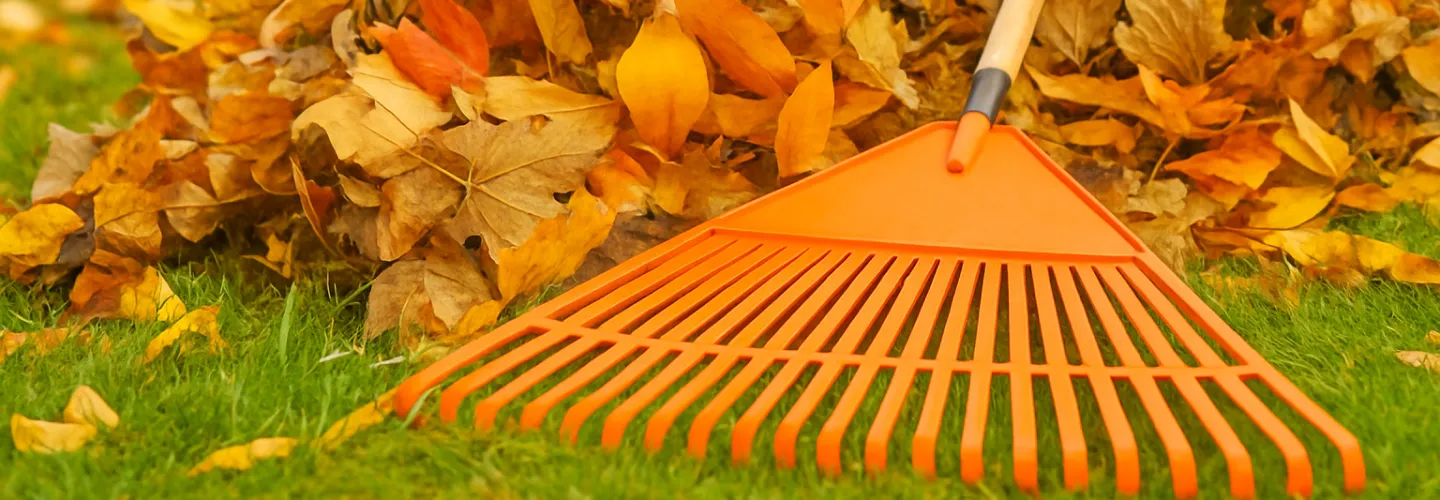
Coral Lakes Weeding Services
Choose our professional weeding services for a healthier, more beautiful landscape—our experienced team removes unwanted growth efficiently, ensuring your plants thrive and your yard stays immaculate all season long.
Get a Free QuoteOur Coral Lakes Landscaping & Yard Care Services
When to Schedule Weeding in Coral Lakes, Florida – Seasonal Guide
In Coral Lakes, Florida, the timing of weeding is crucial for maintaining healthy, attractive landscapes throughout the year. Thanks to our subtropical climate, weeds can thrive nearly year-round, but the most effective periods for weeding are typically late winter through early spring and again in late summer. These windows align with the region’s rainfall patterns and the growth cycles of both turf and invasive species. Neighborhoods near Lake Ida and the Coral Lakes Clubhouse often experience rapid weed growth after heavy summer rains, while shaded areas along Jog Road may require more frequent attention due to persistent moisture and humidity.
Local environmental factors play a significant role in determining the best weeding schedule. For example, Coral Lakes rarely experiences frost, so weed seeds can germinate earlier than in northern regions. Soil composition—ranging from sandy loam in the Valencia Isles area to denser soils near the golf course—also affects weed prevalence and removal strategies. Homeowners should also be aware of municipal guidelines and seasonal drought advisories, which are regularly updated on the Town of Sudbury’s website, to ensure compliance and optimal landscape health.
Local Factors to Consider for Weeding in Coral Lakes
- Tree density and shade coverage, especially in neighborhoods with mature landscaping
- Soil type variations across different communities
- Seasonal precipitation and humidity levels
- Proximity to water features or retention ponds
- Municipal restrictions or watering schedules
- Terrain slope and drainage patterns
Benefits of Weeding in Coral Lakes
Enhanced Curb Appeal
Healthier Plant Growth
Reduced Pest Infestation
Improved Soil Quality
Increased Property Value
Professional and Reliable Service
Coral Lakes Weeding Types

Hand Weeding
-
Mulch Application
-
Pre-Emergent Herbicide Treatment
-
Post-Emergent Herbicide Application
-
Mechanical Weeding
-
Flame Weeding
-
Soil Solarization
Our Weeding Process
Site Evaluation
Weed Identification
Manual Removal
Soil Cultivation
Preventative Measures
Why Choose Coral Lakes Landscape Services
-
Coral Lakes Homeowners Trust Us
-
Expert Lawn Maintenance
-
Reliable Irrigation Solutions
-
Comprehensive Tree Care
-
Prompt Response Times
-
Competitive Pricing
-
Satisfaction Guarantee
Coral Lakes' Sandy Entisol Soils and Year-Round Weed Pressure in USDA Zone 10a
Coral Lakes is situated within Lee County on predominantly sandy Entisol and Spodosol soils characteristic of southwest Florida's coastal plain. These soils feature rapid drainage, low organic matter content, and an acidic pH typically ranging from 5.0 to 6.5. While fast drainage reduces waterlogging, it also creates conditions where opportunistic weeds such as dollarweed (Hydrocotyle spp.), chamberbitter (Phyllanthus urinaria), and torpedo grass (Panicum repens) establish quickly in nutrient-depleted turf. Coral Lakes falls within USDA Hardiness Zone 10a, where year-round warm temperatures between 55°F and 95°F sustain continuous weed germination cycles. Residents should conduct soil testing through UF/IFAS Extension at a cost of approximately $15–$25 per sample to determine precise pH and nutrient levels before selecting weed management strategies. Key soil considerations include:
- Lime application recommended when pH drops below 5.5
- Organic matter incorporation of 2–3 inches of compost tilled to 4–6 inch depth to improve moisture retention
- Sandy texture permits rapid herbicide leaching, requiring split applications rather than single heavy treatments
- Soil temperature remains above 65°F for most of the year, supporting both warm-season and cool-season weed emergence
Property owners should research site-specific soil series using the USDA Web Soil Survey to identify localized drainage patterns and compaction risks within their parcels.
Protecting Coral Lakes' Stormwater Systems and Lake Buffers During Weed Control
Weed management activities in Coral Lakes require careful attention to environmental compliance, particularly given the community's network of interconnected lakes and stormwater conveyance infrastructure. Lee County operates under a Municipal Separate Storm Sewer System (MS4) permit administered by the Florida Department of Environmental Protection (FDEP), which prohibits the discharge of herbicides, sediment, or organic debris into stormwater drains. Under the Clean Water Act and the Florida Environmental Protection Act, property owners and service providers must maintain a minimum 25-foot no-application buffer from lake edges, canal banks, and stormwater outfalls when applying chemical weed treatments. Additional compliance measures include:
- No herbicide application within 50 feet of designated wetland areas
- Use of aquatic-labeled herbicides only when treating vegetation at water margins
- Containment of all pulled weed material to prevent entry into storm drains
- Prohibition of rinsing herbicide equipment on impervious surfaces connected to stormwater infrastructure
The Lee County Natural Resources Division oversees environmental protections relevant to Coral Lakes properties.
Lee County Natural Resources
1500 Monroe Street, Fort Myers, FL 33901
Phone: (239) 533-8000
Official Website: Lee County Natural Resources
EPA Region 4 provides additional federal oversight for stormwater compliance throughout southwest Florida communities.
Florida Herbicide Applicator Licensing and Coral Lakes HOA Coordination Requirements
Any individual applying restricted-use herbicides for weed control in Coral Lakes must hold a valid Florida Limited Commercial Landscape Maintenance (LCLM) license or a Commercial Applicator license issued by the Florida Department of Agriculture and Consumer Services (FDACS). Licensing requirements include:
- Completion of a FDACS-approved training course covering herbicide safety, environmental protection, and integrated pest management
- Passing a core examination and the appropriate category exam (e.g., Category 6 – Right-of-Way and Ornamental Pest Control)
- Maintaining continuing education credits: 4 CEUs per renewal cycle
- Carrying proof of licensure on-site during all applications
Beyond state licensing, the Coral Lakes Community Association enforces property maintenance standards that directly affect weed management practices. Residents should verify association guidelines regarding approved treatment schedules, pre-emergent application timing, and restrictions on herbicide types permitted within common-area buffer zones. The association serves as the primary point of contact for community-level landscape compliance.
Coral Lakes Community Association
21535 Coral Lakes Drive, North Fort Myers, FL 33917
Phone: (239) 731-5553
Official Website: Coral Lakes Community Association
Optimal Pre-Emergent and Post-Emergent Weed Treatment Timing for Coral Lakes
Coral Lakes' subtropical climate creates two primary weed pressure windows that dictate treatment scheduling. Pre-emergent herbicide applications should target the following periods based on soil temperature monitoring through the National Weather Service Tampa Bay office:
- Late January through mid-February: Apply pre-emergent when soil temperatures at 4-inch depth reach 55°F for 3–5 consecutive days, targeting summer annual weeds such as crabgrass (Digitaria spp.) and spurge (Euphorbia spp.)
- Late September through mid-October: Second pre-emergent application to suppress cool-season annuals including annual bluegrass (Poa annua) and henbit (Lamium amplexicaule)
- March through May: Post-emergent spot treatments for broadleaf weeds using products containing 2,4-D, dicamba, or sulfentrazone at temperatures below 90°F to reduce turf stress and volatilization
- Year-round: Manual hand-pulling of sedges (Cyperus spp.) and torpedo grass before seed head formation, ideally after rainfall when sandy soils are moist
Avoid broadcast herbicide applications during June through August when air temperatures consistently exceed 90°F, as this increases phytotoxicity risk to St. Augustinegrass (Stenotaphrum secundatum) and bahiagrass (Paspalum notatum), the predominant turf species in Coral Lakes. Lee County's Water Quality Division can provide guidance on irrigation restrictions that may affect post-application watering schedules.
Lee County Water Quality
1500 Monroe Street, Fort Myers, FL 33901
Phone: (239) 533-8000
Official Website: Lee County Water Quality
What Streets and Subdivisions Do We Serve Throughout Coral Lakes, FL?
- Coral Lakes Drive: The main arterial road through the community features homes with lakefront exposure and sandy, poorly retentive soils where dollarweed and sedge infestations are most persistent due to proximity to irrigation-fed lake edges and stormwater retention areas.
- Coral Lakes Boulevard: Properties along this corridor near the community clubhouse and pool area tend toward compacted fill soils from original development grading, creating conditions favorable to goosegrass and prostrate spurge in thin turf areas.
- Coral Point Drive: Homes in this subdivision section border conservation buffer zones where manual weed removal is often required within the 25-foot no-spray setback, and torpedo grass encroachment from adjacent natural areas presents ongoing challenges.
- Coral Cove Drive: Interior lots along Coral Cove feature mature landscaping with dense shade canopy, promoting shade-tolerant weeds such as doveweed (Murdannia nudiflora) and Florida betony (Stachys floridana) in St. Augustinegrass turf.
- Coral Bay Drive: Properties near the eastern lake chain experience seasonal high water tables at 12–18 inches during the June-through-October wet season, which limits pre-emergent herbicide efficacy and necessitates more frequent post-emergent or manual weed control interventions.
Lee County Zoning Standards and Weed-Related Property Maintenance Compliance
Lee County's Land Development Code establishes property maintenance standards applicable to Coral Lakes residents that directly relate to weed management obligations. Under county code enforcement provisions, properties must maintain turf and landscape beds free of noxious or invasive weed growth exceeding 12 inches in height. Violations may result in code enforcement action, including notice of violation with a typical 14-day compliance window and potential fines ranging from $50 to $250 per day for unresolved cases. Key regulatory considerations include:
- Prohibited invasive species requiring removal: Brazilian pepper (Schinus terebinthifolia), air potato (Dioscorea bulbifera), and skunk vine (Paederia foetida) per Florida Exotic Pest Plant Council Category I listings
- Yard waste from weeding operations must be placed in biodegradable bags or 32-gallon containers for Lee County curbside collection
- No disposal of weed material into lakes, canals, or stormwater conveyances
- Chemical weed treatments on properties adjacent to public rights-of-way require drift containment measures
Lee County Zoning
1500 Monroe Street, Fort Myers, FL 33901
Phone: (239) 533-8000
Official Website: Lee County Zoning
Lee County Public Works coordinates yard waste collection schedules that serve the Coral Lakes area.
Lee County Public Works
1500 Monroe Street, Fort Myers, FL 33901
Phone: (239) 533-8000
Official Website: Lee County Public Works